

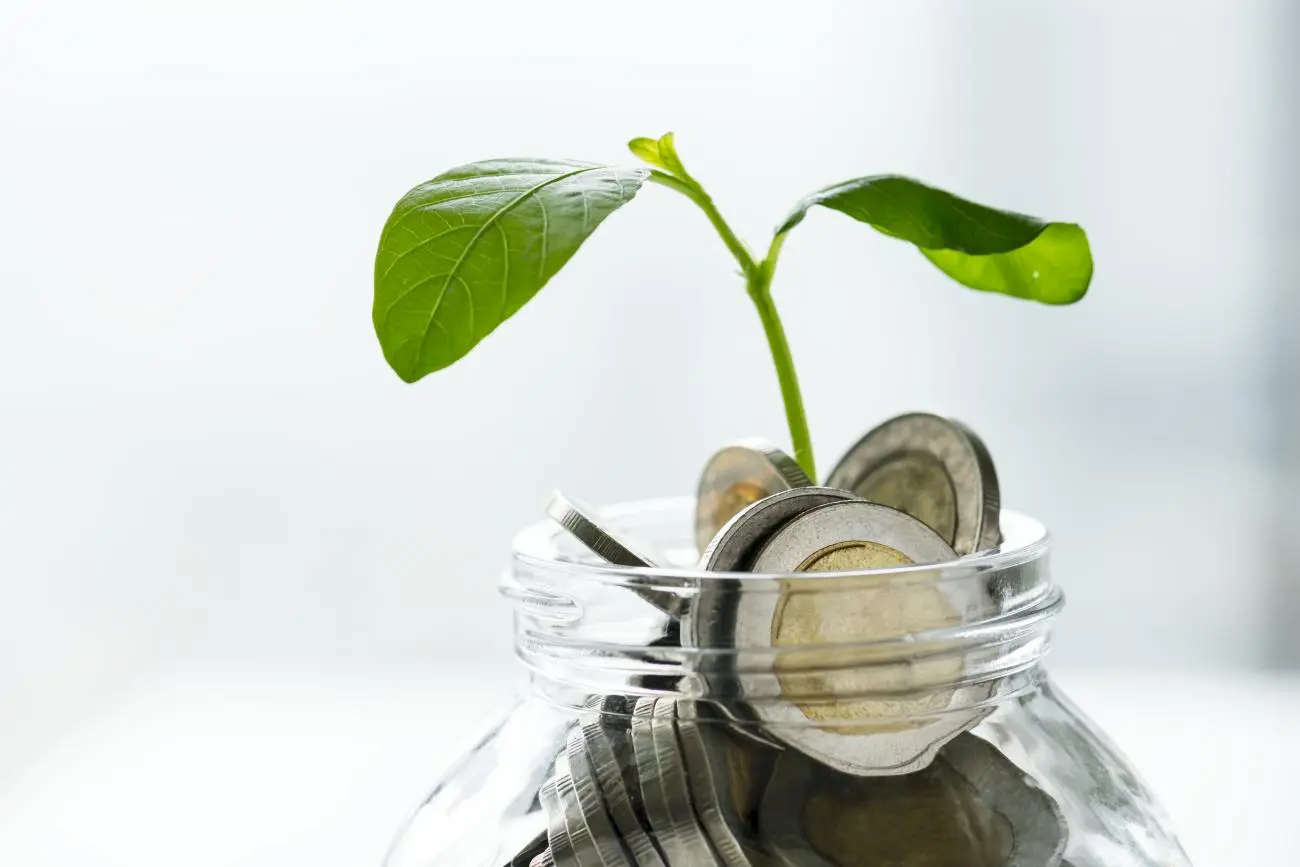
If there is one thing that the COVID-19 pandemic has taught Canadians, it is the need to build financial resilience and have an emergency fund. Whether you are looking for your first full-time job or actively planning for retirement, stowing away a small part of your earnings in a rainy-day fund can help you tide over difficult situations with ease. An emergency fund can not only serve as insurance against unexpected events that derail your income from covering the daily needs, it can also help you reach your short and long-term financial goals.
A 2020 FP Canada™ study found that nearly 40% Canadians said their bank accounts can’t withstand a financial emergency. 37% say they rarely or never put money aside in an emergency account, and 32% said that even after all their bills have been paid they still don’t stow away funds for emergencies.
An emergency fund is critical, and the pandemic is exactly the kind of crisis it's meant to protect you from. It’s easy to understand why you might think it’s impossible to save money when you’re already strapped. But financial planners like us can show you some easy and relatively painless ways to get started. The peace of mind it will give you will be a huge sense of relief!
The FP Canada™ study also showed that people who work with a professional financial planner feel much more confident when it comes to money matters, especially if they received help coming up with a financial plan. Among those who have created a financial plan, 71% are confident that they will achieve their financial goals. Working collaboratively with financial planner like us can help you build a household budget and position yourself to be able to put savings away every month!
As with all plans, the trick to creating a rainy-day fund is to start when you don’t need one. As a first step, it is important to establish your financial priorities. A well-thought out financial plan goes a long way in ensuring that your budget and your cash flow are optimized for savings. All Canadians can benefit from planning their finances, whether it’s to determine how much money should go into an emergency fund or how to cut monthly expenses that will enable you to build that fund. It’s a win-win!
Full article here